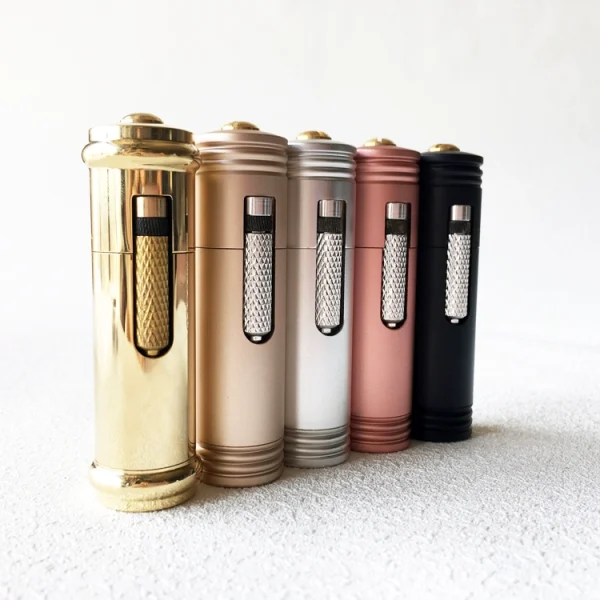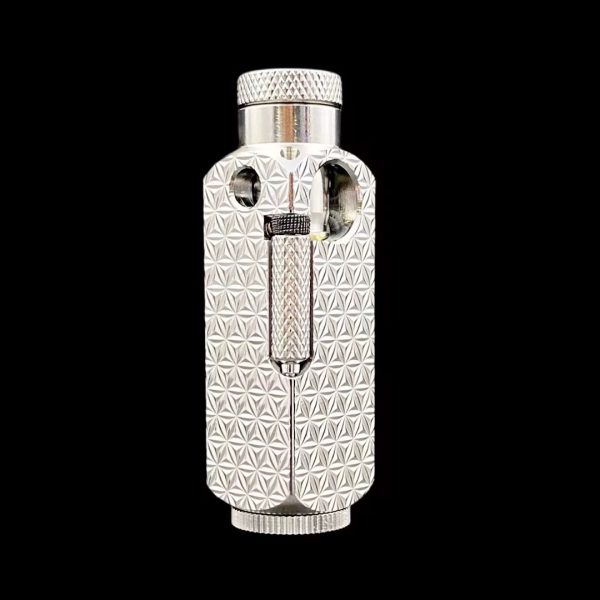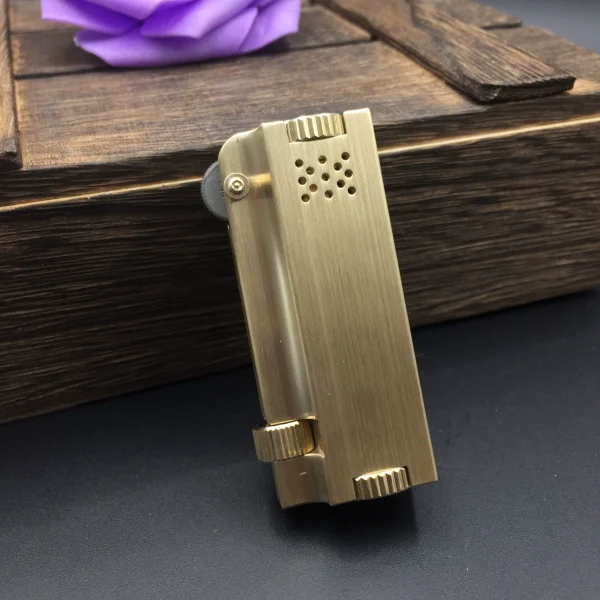
A lighter's case is easy to see. Its ignition system, fuel requirements and care needs take a closer look. Those details are worth checking separately when comparing an unusual shape or decorative finish.
Two documented examples help explain the distinction: a flint-and-wick mechanism and the piezoelectric effect. These examples describe general principles and other manufacturers' published information, rather than the construction of any particular Flamidor model.
The spark and the fuel have different jobs
In its Windproof Lighter troubleshooting guide, Zippo describes a spark produced by the flint and flint wheel, with a wick bringing fuel to that spark. It treats the flint and wick as separate parts to check. This is a concrete example of why the ignition mechanism and fuel system are separate specifications.
The guide applies to the Zippo product it names. It does not establish which parts or fuel another lighter uses. A familiar-looking wheel or case should lead you to check the model's documentation, rather than borrow care instructions from a different product.
What piezoelectric ignition means
Piezoelectric materials can produce electrical charge when mechanically deformed. Manufacturer PIEZO.COM explains this relationship in its Introduction to Piezoelectricity. This mechanical-to-electrical conversion is the principle behind a piezoelectric ignition system.
The term describes how an electrical effect is produced. It does not, on its own, specify a lighter's fuel, refillability, operating temperature or safety features. A push button is also insufficient evidence to identify the mechanism inside a particular model.
Read the instructions for the exact model
Different mechanisms call for different information. Zippo's Product Information library, for example, separates its Windproof Lighter guidance from butane and rechargeable double-arc inserts. The manufacturer provides product-specific instructions rather than one procedure for every item.
Use the same approach when comparing a listing. Confirm the specified fuel or power source, the type of ignition and the relevant care instructions. Follow the instructions supplied with the exact model for use and maintenance.
Separate appearance from performance claims
An engraved pattern, metal-colored finish or product name is not evidence of wind resistance, temperature regulation or automatic shut-off. If one of those features matters to your purchase, look for a statement about the named model and the conditions under which it applies.
A useful product description should answer these questions:
- Which ignition mechanism does this model use?
- What fuel or power source does its manufacturer specify?
- Which parts, if any, are intended to be maintained or replaced?
- What documentation supports any stated performance feature?
When browsing the Flamidor collection, compare the listing details alongside the photographs. For a detail that is not stated, contact us with the product name or page link before choosing fuel or assuming a particular mechanism.